Our work
Programmes built around the whole child
Five pillars, plus youth development and family strengthening. Each programme describes the challenge, our approach, who it supports and how communities can take part.
01
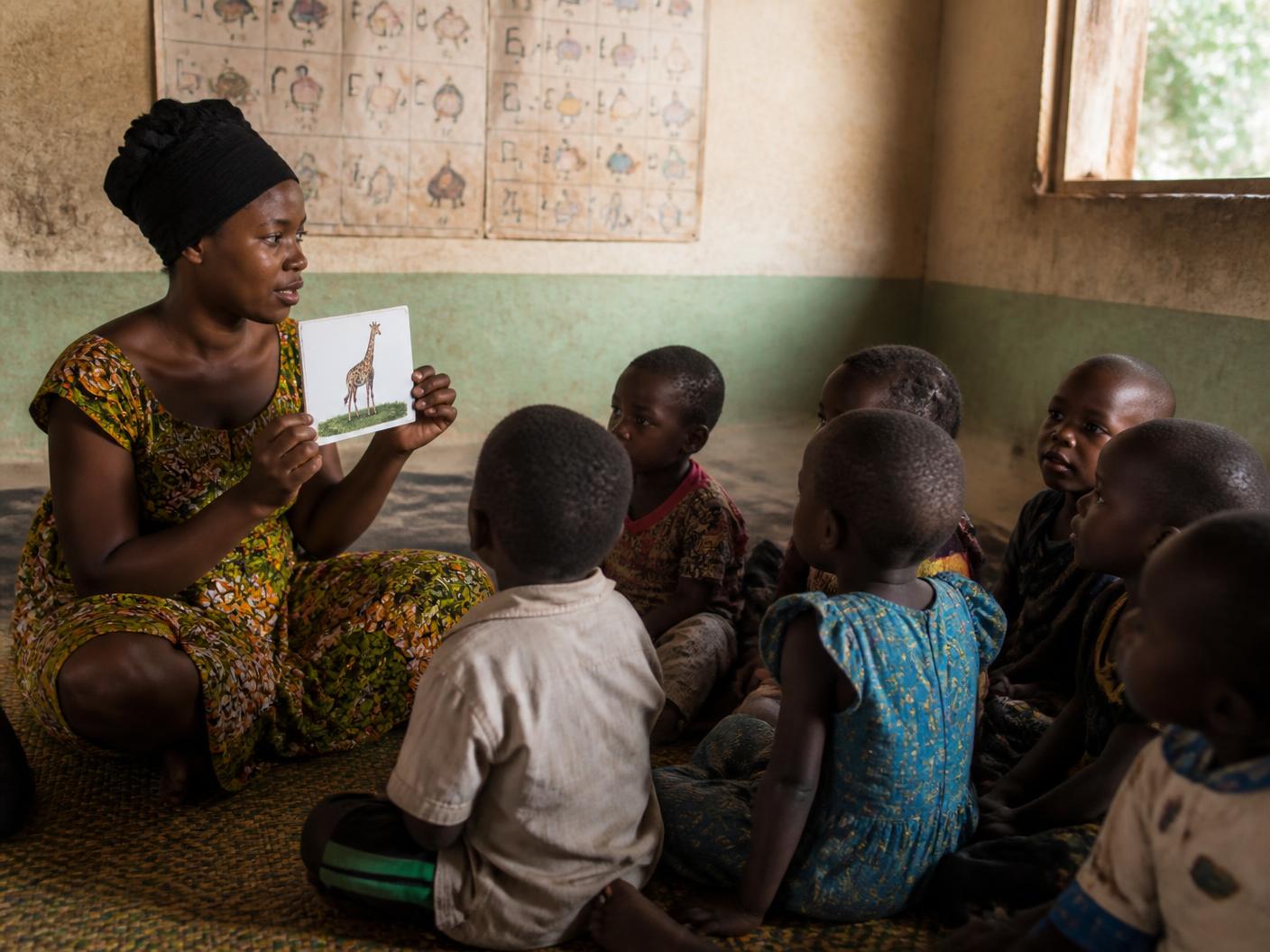
Opportunities for Early Learning
Helping parents and caregivers understand how children learn from birth, and advocating for quality early-learning spaces in the community.
The challenge
Many children reach school age without the everyday stimulation, conversation and play that early brain development depends on, and community early-learning options are often limited or under-resourced.
Our approach
Life Line Africa creates awareness among parents and caregivers about how children learn from birth through play, storytelling, songs, conversation, everyday interaction and age-appropriate activities. Alongside this, the organization advocates for quality early-learning centres and community-based education.
Who this supports
Parents, caregivers, families, educators and early-learning facilitators, with children from birth through the early school years as the ultimate beneficiaries.
Typical activities
- Awareness sessions on how young children learn day to day
- Demonstrating play, storytelling, song and conversation with age-appropriate activities
- Guidance on using everyday interaction at home as learning time
- Advocacy for quality early-learning centres and community-based education
How communities can participate
Community groups, schools and early-learning centres can invite Life Line Africa to run an awareness session, or work with the organization to strengthen an existing learning space.
02
Good Health
Community health education and linkage to local services, with particular attention to children under five.
The challenge
Preventable illness and missed check-ups remain a risk for young children when families lack clear information about hygiene, immunisation and where local services can be reached.
Our approach
Life Line Africa educates families about regular health check-ups, immunisation, hygiene, disease prevention and how to access local health services, with particular attention to children under five. This work is education and community linkage — Life Line Africa does not provide clinical treatment.
Who this supports
Parents, caregivers and families, in collaboration with health professionals and local institutions that provide the actual services.
Typical activities
- Education on regular health check-ups and immunisation schedules
- Hygiene and disease-prevention learning with families
- Information on how and where to access local health services
- Focused attention on the needs of children under five
How communities can participate
Health professionals and local facilities can partner on education sessions; communities can request a hygiene and child-health session.
03
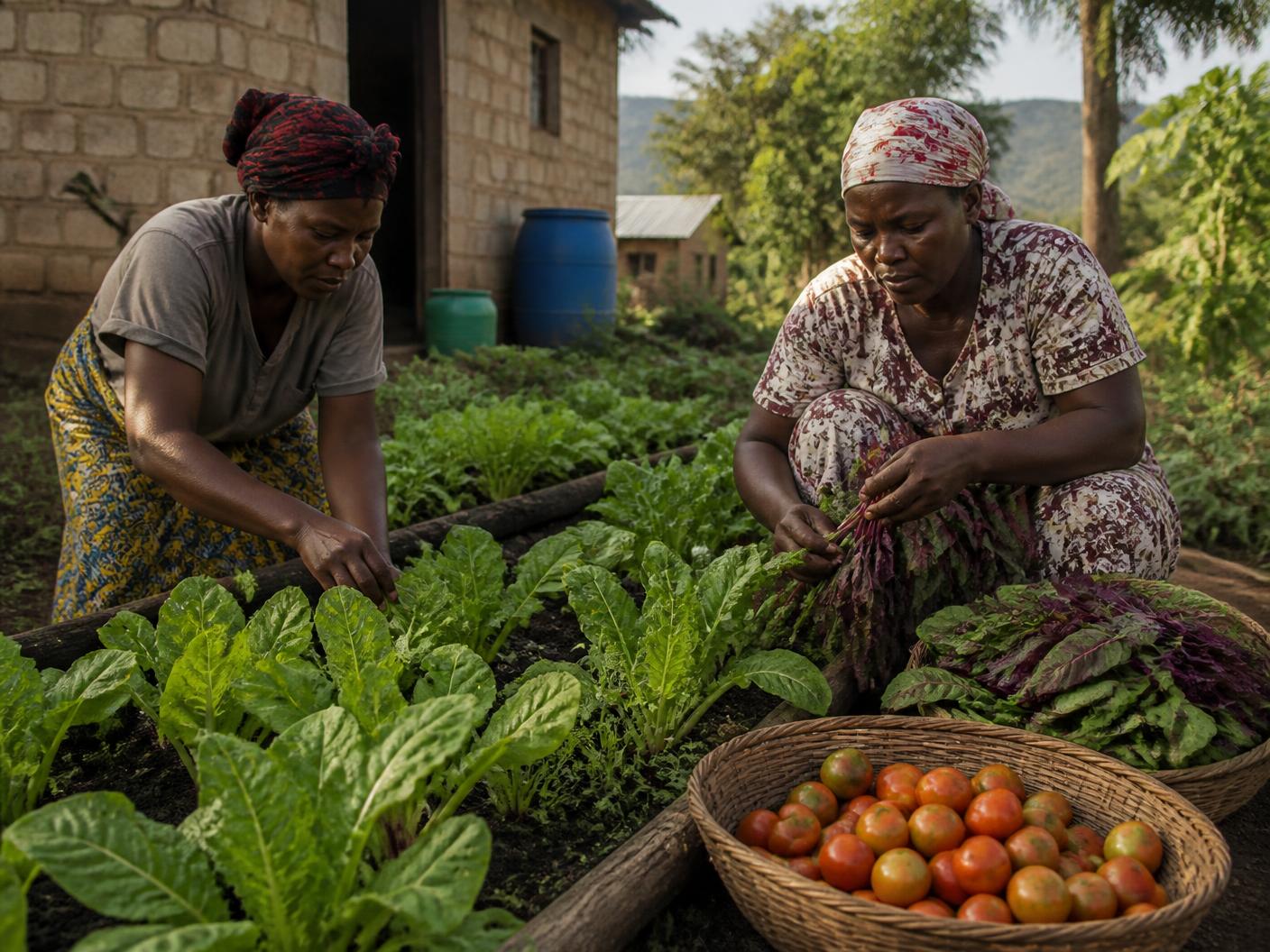
Adequate Nutrition
Nutrition education for pregnancy and early childhood, plus community kitchen gardens and appropriate referral.
The challenge
Nutrition during pregnancy and the first years of life shapes a child's whole future, yet balanced, affordable and age-appropriate feeding is not always understood or available.
Our approach
Life Line Africa teaches appropriate nutrition during pregnancy and early childhood, including breastfeeding, balanced diets and age-appropriate feeding. The organization supports community kitchen gardens and nutrition education, and arranges appropriate referral and support for children experiencing malnutrition.
Who this supports
Pregnant women, mothers, caregivers and families, with young children as the direct beneficiaries.
Typical activities
- Education on nutrition in pregnancy and early childhood
- Breastfeeding, balanced diets and age-appropriate feeding guidance
- Support for community kitchen gardens
- Appropriate referral and support for children experiencing malnutrition
How communities can participate
Households and community groups can join kitchen-garden and nutrition education activities, or host a session for their neighbourhood.
04
Security and Safety
Child protection training, safer homes and play environments, children's rights and community safeguarding structures.
The challenge
Violence, neglect, abuse and unsafe surroundings undermine every other investment in a child's development, and protective structures are not always known or used.
Our approach
Life Line Africa promotes protection from violence, neglect, abuse and unsafe environments. Parents and community members are trained on child-protection principles, safe home and play environments, children's rights, and community safeguarding structures.
Who this supports
Children, parents, caregivers, community leaders and local institutions responsible for protection.
Typical activities
- Training on child-protection principles
- Guidance on safe home and play environments
- Awareness of children's rights
- Strengthening community safeguarding structures
How communities can participate
Community leaders, schools and institutions can request child-protection training or work with Life Line Africa on local safeguarding arrangements.
05
Responsive Caregiving
Helping caregivers observe, understand and respond to children's needs and emotions with consistency and warmth.
The challenge
Children need consistent, attentive care to feel secure, but caregivers are rarely supported with practical skills for reading and responding to a child's cues and emotions.
Our approach
Life Line Africa teaches caregivers to observe, understand and respond appropriately to children's needs and emotions, promoting affection, attention, consistent care, positive discipline, active listening and secure emotional bonds.
Who this supports
Parents, caregivers, guardians and extended family members caring for children daily.
Typical activities
- Practice in observing and interpreting children's cues and emotions
- Building affection, attention and consistent care into daily routines
- Positive discipline and active listening
- Supporting secure emotional bonds between child and caregiver
How communities can participate
Caregiver groups can host a responsive-caregiving session; experienced facilitators can volunteer to support them.
06
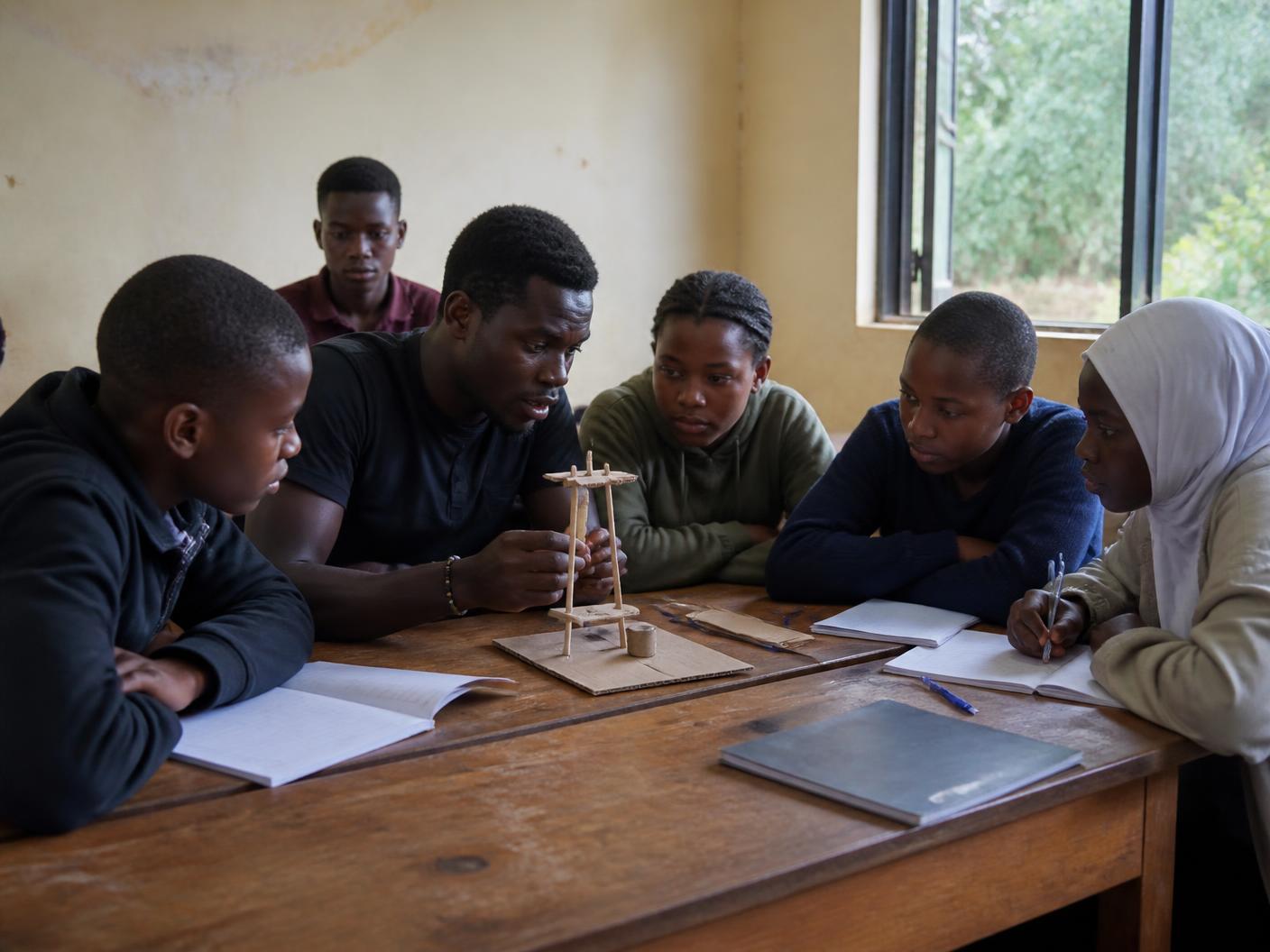
Youth Development and Mentorship
Talent development, mentorship and coaching, career education, social-emotional skills, and a business and innovation mindset.
The challenge
Young people often leave school with ability but without mentorship, career guidance or the confidence and enterprise skills to turn talent into opportunity.
Our approach
Life Line Africa supports talent development, youth mentorship and coaching, career education, social-emotional skills, and business thinking and innovation among children and youth, alongside gender equality and equity.
Who this supports
Children and young people, with schools, educators, mentors and local institutions as collaborators.
Typical activities
- Talent identification and development
- Mentorship and coaching relationships
- Career education and social-emotional learning
- Business thinking and innovation practice
- Promotion of gender equality and equity
How communities can participate
Professionals can share expertise as mentors; schools and youth groups can invite Life Line Africa to work with their students.
07
Family and Caregiver Strengthening
Parenting skills, family strengthening, community health and hygiene education, and emergency support where appropriate.
The challenge
A child's environment is only as strong as the family around them, and families carrying pressure need practical skills and a community that can respond.
Our approach
Life Line Africa builds parenting and caregiver skills, strengthens families, delivers community health and hygiene education, and offers emergency support where appropriate — always working with, not instead of, the family.
Who this supports
Parents, caregivers, families, community leaders and local institutions.
Typical activities
- Parenting and caregiver skills sessions
- Family strengthening support
- Community health and hygiene education
- Emergency support where appropriate
How communities can participate
Families and community structures can take part in sessions; partners and volunteers can help extend their reach.
Results are reported only when they are verified
We do not publish figures or outcomes that have not been documented. Our monitoring and learning approach explains how programme results will be recorded and shared.